The Best 25 Books I’ve Read Recently
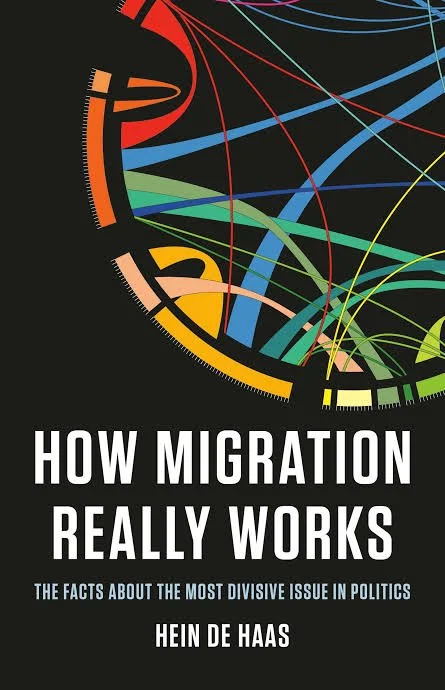
This book taught me a couple of things that contradicted what I thought I knew, namely that migration has remained pretty much stable, it’s an economic process, and immigrants aren’t gonna take your jobs.
★★★★★
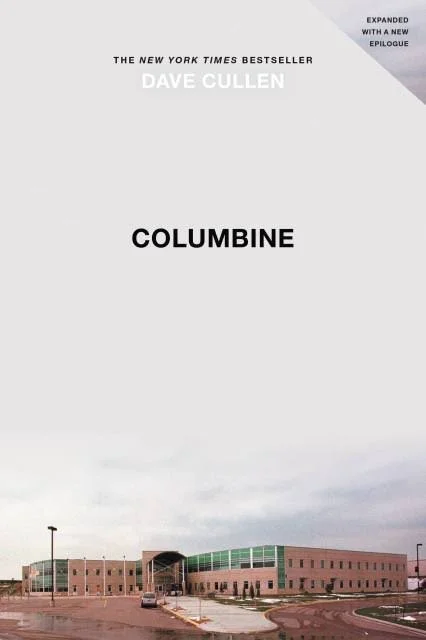
Columbine
I watched the Columbine tragedy occur live when I was a kid and this book was insanely fascinating to read because most of what I thought I knew turns out to be false or misleading. It often takes decades for the truth to become known and well-documented in cases like this and I deeply appreciated the opportunity to update my worldview with more accurate information.

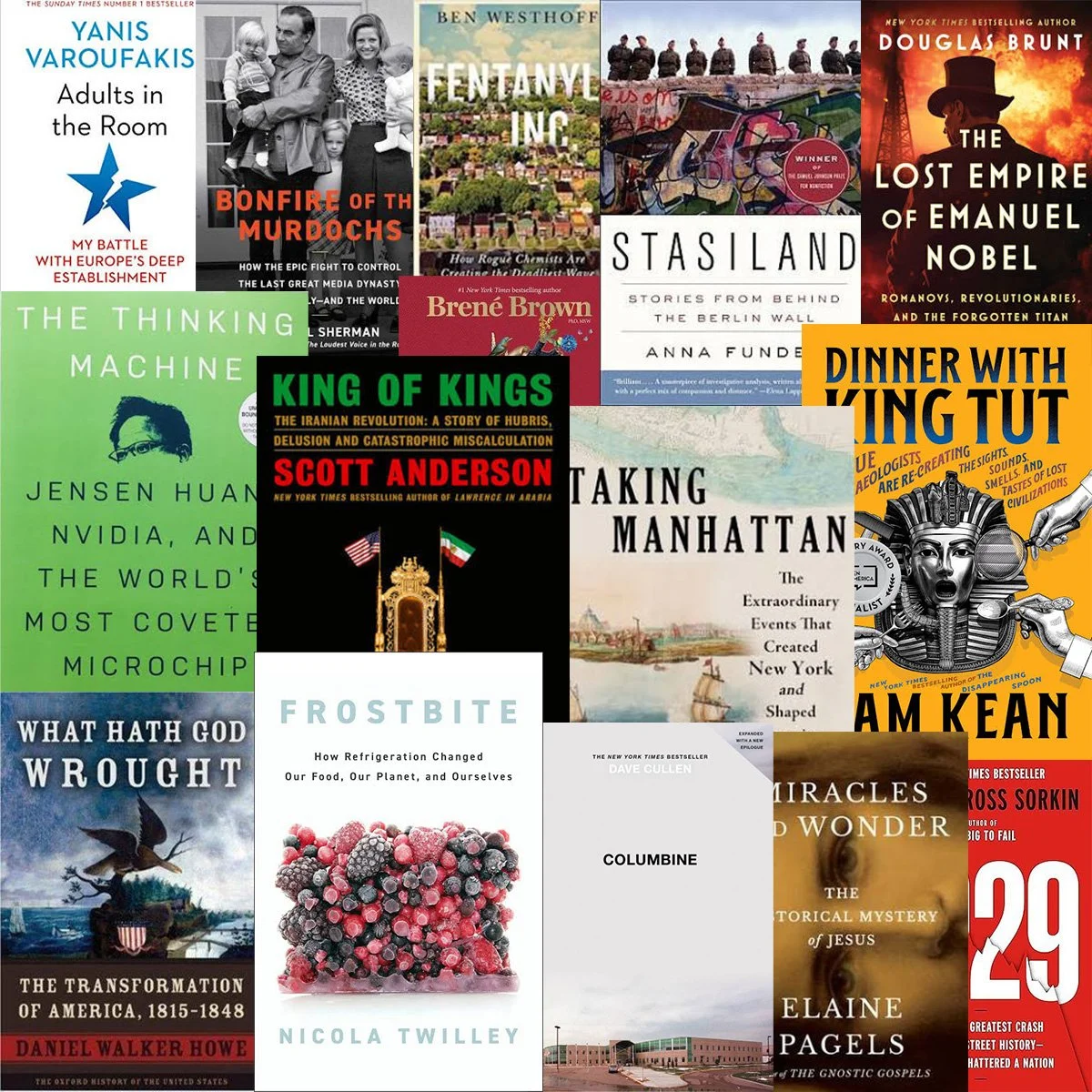
This book punches above it's weight class and I'll definitely read other material written by this author. Frostbite goes beyond the surface-level analysis of refrigeration as an economic phenomenon and delves into some of the fascinating cultural impacts and history. The reason I rated this a 5/5 is that it changed how I view my own refrigerator.
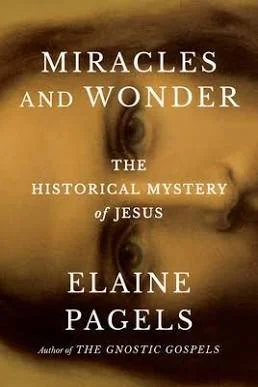
I came away convinced by the argument that to his contemporaries, Jesus was probably more of an Israeli political rebel focused on freeing his state from harsh occupation than a strictly religious teacher.
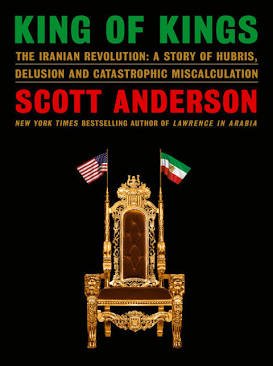
This is particularly relevant given the current conflict between the US and Iran. It's tragic, eye-opening, and it defies all stereotypes. I now think that US manipulation of other sovereign states isn't universally a bad thing. The Shah was a despot, he was fairly incompetent, and he was bankrupting his country. But it's pretty hard to argue that the average Iranian was made better off by his overthrow.
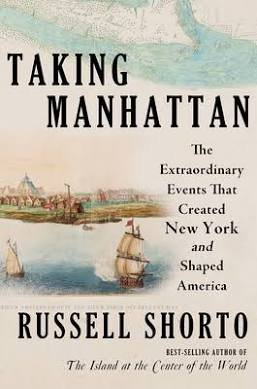
I love New York city, and this book helped explain why. I hadn't understood that unlike many of the northeastern colonies of the era, New York wasn't an English possession and it's diversity of residents was a direct result of the Dutch focus on mercantile profiteering. God bless the profit incentive, I suppose.
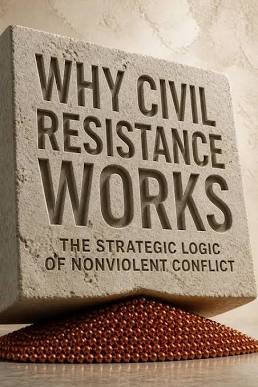
Prior to reading this book, I would probably have said that violent revolt was sometimes justified. I'm no longer convinced. If you want to see change in the world, this book lays out a really strong case that the most effective way to achieve it is through nonviolent means.
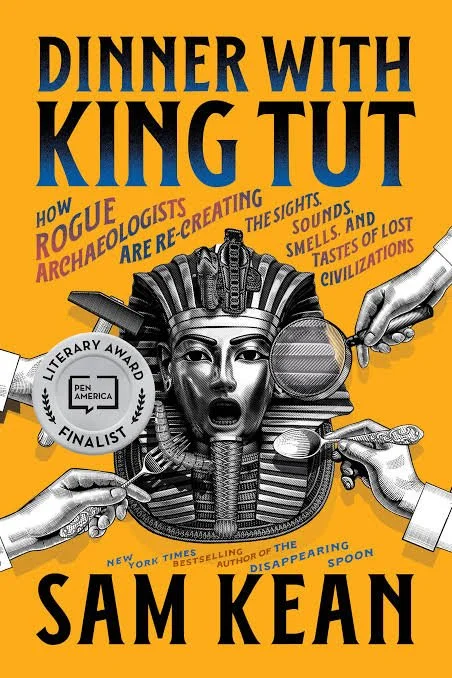
★★★★★
Dinner with King Tut
This is an interesting nonfiction book format. The author discusses recent anthropological discoveries and then weaves a short fictional story around that work to illustrate how it refines our understanding of the past.
I think there should be vastly more nonfiction books written like this. It helps to humanize the deep past in scientifically accurate ways for modern readers.
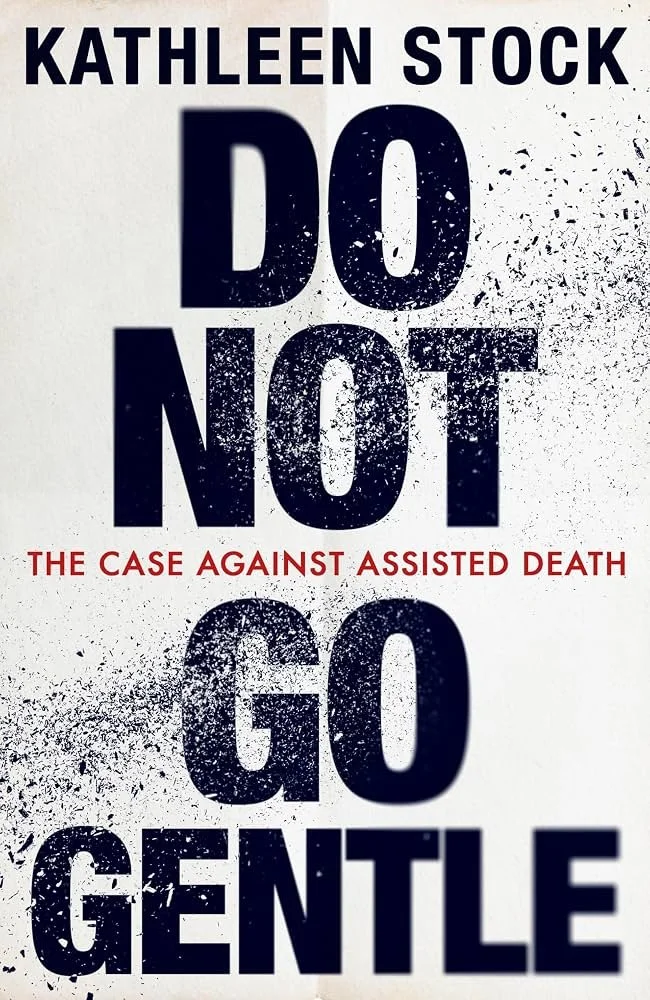
Prior to reading this book, I would have described myself as being firmly in favor of making assisted death a legal and widely available option for citizens in the US. This book convinced me otherwise. I now think that the current balance of incentives is actually not that far off from being optimal.
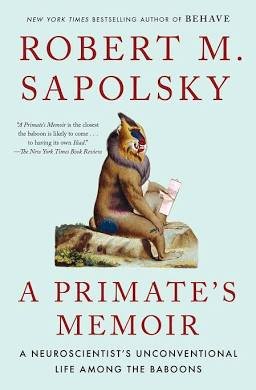
Apart from just being a damn fun read, this one is fascinating for anyone interested in the the cognitive and social similarities between humans and our nearest genetic relatives.
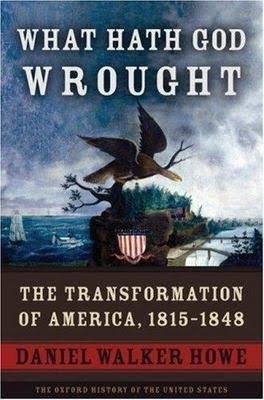
This book gave me some hope that our current political challenges might actually solvable. I didn't know very much about Jackson's presidency prior to reading it, and boy are there are modern parallels. Apart from that, it's just really well-researched history.
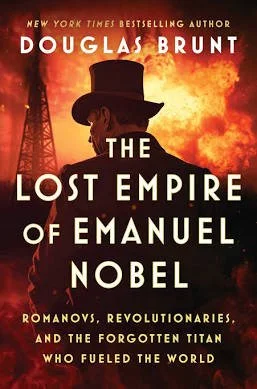
This one lost a point to being a bit of a breezy read. I constantly felt as though the author was eliding over interesting details and historical texture that would have made it better. With that said, though, I knew next to nothing about Alfred Nobel and it was really enlightening to learn about his place in our petro history.
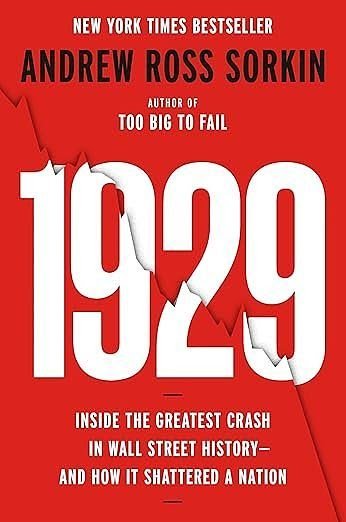
I have a firm belief that history is a lot messier than the stories we tell about it later, and this book does a great job of demonstrating that point. The 1929 crash wasn't really a singular event. It was a series of challenges, missteps, misunderstandings, aborted solutions, halfway fixes, and people blundering through.
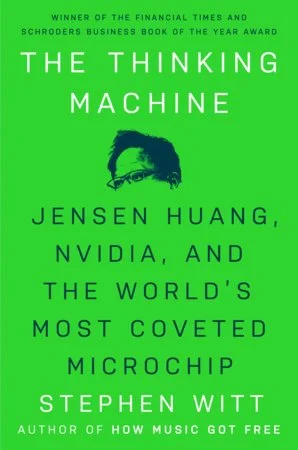
This one won't rock your worldview, but it does paint an accurate picture of Jensen and his company. The most fascinating part of the book for me was learning about the economics that shaped the hardware that I knew and loved as a young computer gamer.
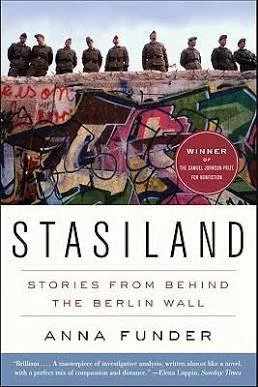
Anyone who thinks that a strong man dictator can make their lives better should read this one. It's harrowing and tragic in all the ways you would expect, but one aspect that gets overlooked is just how grossly ineffective the Stasi was at it's job of spying on the populace. With new AI tech, a future Stasi could theoretically be so effective that it would make these stories look adorably naive.
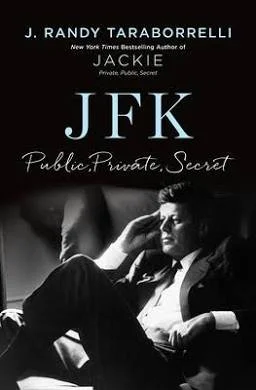
I didn't know a ton about JFK and now I do. Yes, his family was pretty corrupt. Yes, he wasn't a great husband to Jackie. But I was surprised by how idealistic he was. This book doesn't delve deeply into the details of his assassination, which I found refreshing. There are enough conspiracy theories as it is.
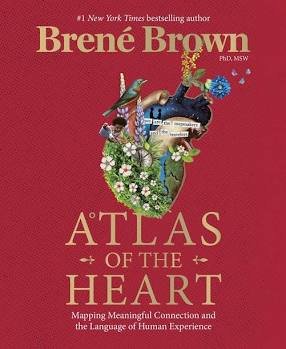
This is a bit touchy-feely for me, but I did appreciate how it helped me to sharpen and clarify some of the more subtle emotions that I regularly experience.
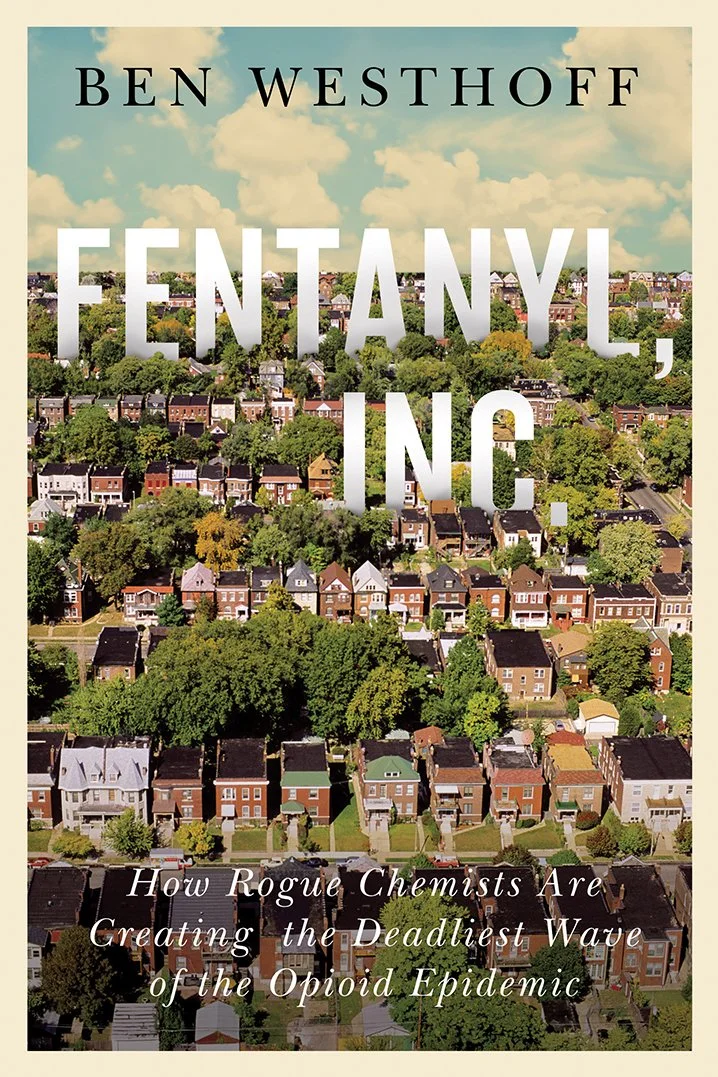
Drugs aren't laced with Fentanyl! Fentanyl IS the drug. This one would have been better if it were about 30% shorter and it got a bit preachy at times, but I learned a lot.
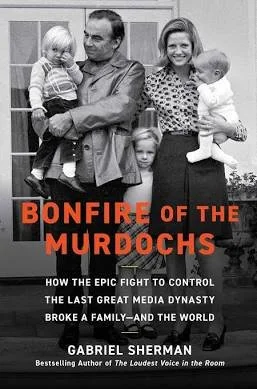
Prior to reading this one, I thought that Rupert Murdoch wasn't just a profit-seeking opportunist, but someone that was actively bad. But I think this book makes a compelling argument that while his actions have almost certainly been net-negative for humanity, the underlying issue isn't some malignant personal agenda, it's a system that permits sociopaths to lead corporations with too few checks and balances.
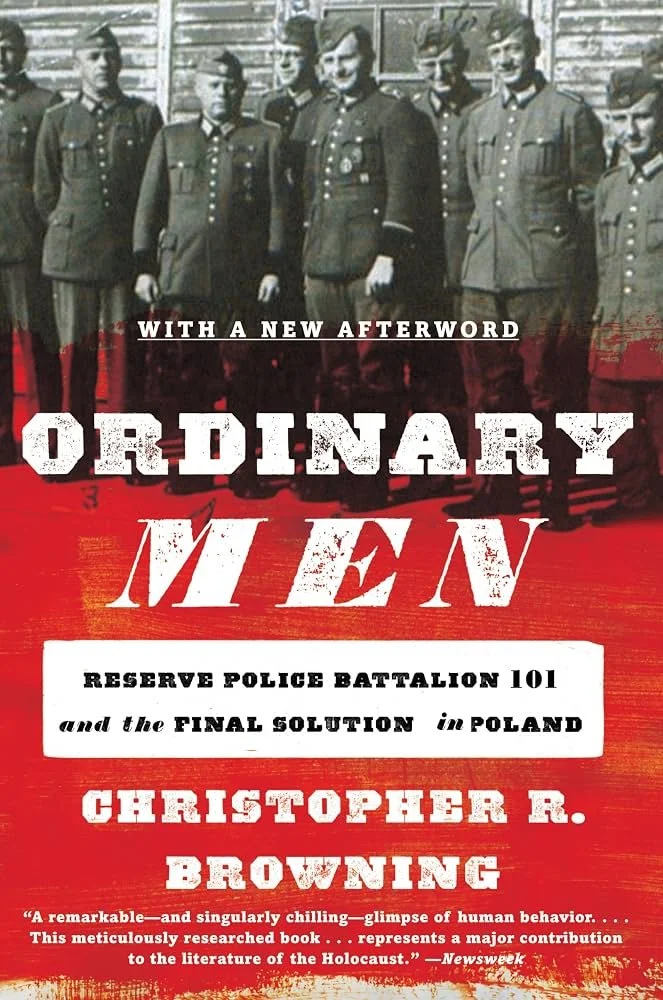
This book did a good job of explaining in concrete terms how to get a group of otherwise ordinary people to do horrific things. The most important thing to do is to break the horror down into smaller chunks so that a person doesn't have to witness the full gravity of their actions. -1 star for being about WW2 which is a subject that is overly-documented.
Sanctions as a substitute for violence sounds good on the surface, but this book makes a compelling case that they may actually be worse in the long run. Having read this in close proximity to other books about the dollar's future as the world fiat currency was fascinating.
Prior to reading this book, I didn’t know what a zero-day exploit or why they are important cyberweapons. I still think that cyber threats are a bit overblown relative to other methods of killing lots of people, but this book was well-written and helped me better understand how better AI could produce a step function in systemic security risk.
American liberals tend to think of the EU as a panacea of civilization and rationality. This book does a good job of showing just how wrong those assumptions are. I don't think that it supports the conclusion that the EU and it's shared currency system are fundamentally untenable, but it is eye-opening account of how politics and economics really happens.
I love this style of anthropology. Telling historical events through the eyes of individuals is the only way to make history relevant. I came away from this book having a much better understanding of how the Arab Spring actually happened on the ground and how it affected real humans. -1 star for being a bit long.
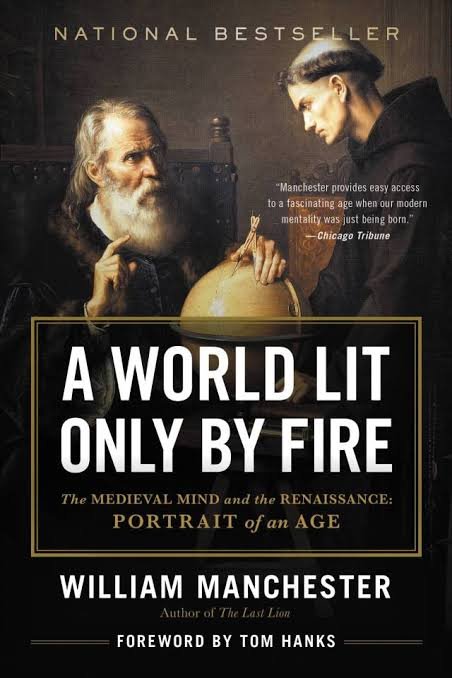
The medieval ages are a lot more colorful than we tend to think and even though this book is a bit dated, I thoroughly enjoyed it. I didn't come away with my mind fundamentally changed about key topics, but it was a fun read.