A little over a year ago, my family moved from San Carlos, CA to Austin, TX. There are real costs to relocating to Texas from California, but it has been a very positive change for us. If you are considering making the transition, I hope you will find this post useful.
A Little Background About Us
Here are a couple important things to know about my family and I before reading further:
My wife and I weren’t raised in major coastal US cities. This is really important to understanding what we consider “normal.” I grew up in a town of 7,000 people in rural Ohio. My wife grew up in Tampa, Florida. We are far more culturally and politically centrist than lots of folks raised in New York, San Francisco, or Seattle.
We have kids. We have two young kids with another on the way. Our kids will be 0, 3 and 4 years old next year. We are deep in the trenches of early parenthood.
We didn’t have any family in California. Our nearest family was a cousin in Seattle. After that, all of our family was either in Ohio, Texas, New York, or Florida, with the greatest concentration in the Austin/San Antonio area.
My wife wanted to be a stay at home mom. While we were in the Bay Area, she worked as a support team lead and software engineer, but she gradually lost interest in working a traditional tech job. By the time we left San Carlos, she was really looking forward to taking some time away from the corporate world to focus on family.
We love hot weather. My wife thinks that “warm” weather starts at around 85°. Winter has always been my least favorite season. For us, the Bay Area was always uncomfortably cold.
We aren’t living in central Austin. Our family is split between north Austin and a community out near Lake Travis. People I know who grew up here tell us we aren’t really living in Austin, but then again, we weren’t really living in SF either. Downtown Austin does have a different vibe than the ‘burbs.
With all that in mind, here’s a summary of the good, the bad, and the ugly of moving to Austin, Texas from the Bay Area.
The Good
Austin is a Lot More Family-Friendly
You see this in lots of little things about the texture of life here: it’s much easier to get into daycare, there’s more space for kids to run around, there are a lot more families with kids, and most social events are default kid-friendly. Here are some anecdotes we’ve experienced in the last year:
Easier daycare. When we arrived in October 2020, it was still the height of the covid-19 pandemic, and so we hired a nanny to watch our kids so that we could reduce covid exposure. We were able to find 3 suitable candidates in half the time and at 50% the cost of comparative candidates we interviewed in the Bay Area. When we realized that it was going to be really important to put our kids in daycare for our son’s speech development, we toured 3 places in 2 weeks and started one week after applying. For comparison, it took us 6 and 8 months to land spots at the two daycares we used in the San Carlos area.
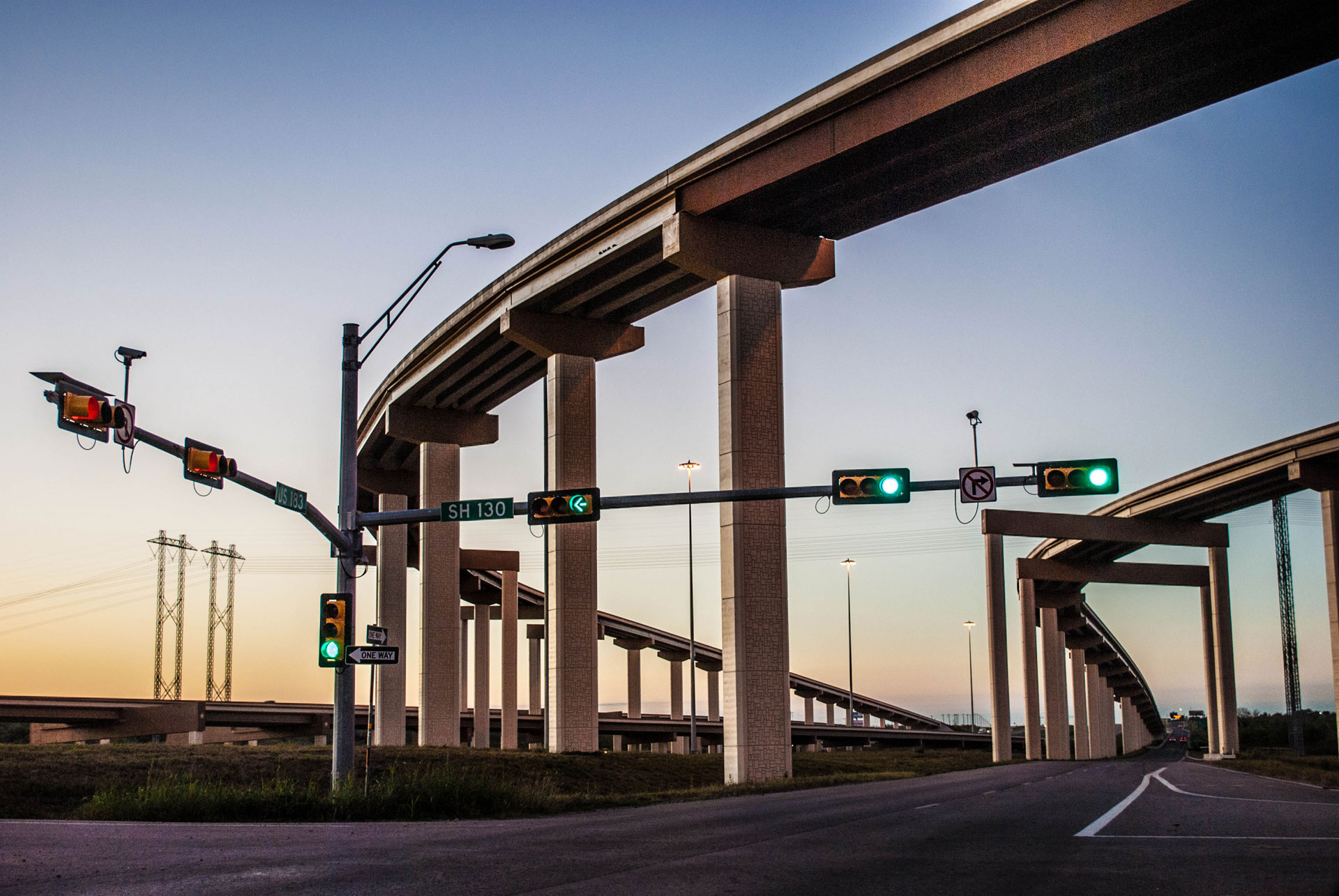
More space. The yard at our current rental home is 4x larger than the one we had in San Carlos. We’ve never spent more than a few minutes finding parking at grocery stores, playgrounds, museums, or events for the kids. Except at rush hour, the roads are often empty. The highways are grandiose. I see fields and undeveloped land every time I leave my home. Texas is big, and for anyone that has kids with lots of energy, it’s great.
Default kid-friendly. In the Bay, we attended a wedding for some friends who specifically requested that we not bring our then 6-month-old kid. Friends of ours who are getting married in SF this February have made a big deal of the fact that they are okay with us bringing our kids (we love you guys!). Company events at both mine and my wife’s work places in the Bay didn’t explicitly bar young kids, but most people with kids chose not to bring them. While we haven’t been out to many places in Austin yet, the couple of food trucks and restaurants we’ve been to have been bigger and have had more kid accommodations. Our favorite place to go recently is a burger place with an attached outdoor playground. As things open up, I’m seeing more, better, and cheaper opportunities to be out of our home with our kids.
There are More Lifestyle Opportunities
Because it is cheaper to live in Austin than the Bay Area, people can afford to make alternative lifestyle choices without compromising their ability to make ends meet. Good friends of ours in the Bay had a rule that anyone that chose to live in the Bay Area could choose two: retire, own a house, or have kids. But that rule still assumed that both parents work lucrative jobs in the tech industry. If one or both parents wanted to do something else -- be a full time artist or take time off work to care for a sick relative, for instance -- then you probably couldn’t afford any of them.
That means that Austin is socially more diverse than the Bay. Here are some examples from our social group:
Friends of ours who also moved to the Austin area last year quit their jobs and are working for themselves on two new companies.
A friend of mine who moved to Austin about 18 months ago quit his job at a major tech company and took a pay cut to go work for a company he found more intellectually interesting.
My wife’s cousin decided to stop working on a business that she started so that she could focus on being a full time stay at home mom.
This point isn’t unique to Austin. Austin is still quite expensive in absolute terms, so if you truly want to live in a low cost of living town, this isn’t it. With that said, I think people coming from the Bay Area will find Austin to be markedly cheaper.
The Environment is Clean
We didn’t spend much time in downtown San Francisco, which is next-level gross, but even in a nice suburban neighborhood on the peninsula, the Bay Area is still gritty. I saw homeless encampments every time I went to get groceries. There was frequently garbage overflowing from the bins at the local playground. And although it’s much less visible, the Silicon Valley suburbs are home to more than 23 toxic superfund sites [source].
The Austin suburbs, by contrast, feel quite clean. This cleanliness manifests in lots of little ways: highway overpasses aren’t visibly stained by smog, there’s less trash on the side of the roads, and public outdoor spaces don’t have urine stains. While I was writing this, I thought that maybe this was due to population density, but as a friend pointed out, that doesn’t seem like a viable explanation. Honestly, I don’t know exactly why it’s cleaner here, but it is.
There’s More Political Diversity
In 2016, the day after the presidential election, I went into work in San Francisco and was chatting with a coworker. He thought that if we were ever going to heal our increasingly polarized political landscape, both the left and right would need to interact with and humanize one another. I said “I spent 18 years of my life interacting with people on the other side of the political spectrum while growing up in Ohio. That was enough.” I’m embarrassed about that now. I’ve got kids, and if their world has any shot of being as peaceful as the one I grew up in, I think my coworker was right: we need to start humanizing people on the “other” side. You can enjoy, appreciate, and respect others regardless of their beliefs provided they aren’t actively persecuting others. This is, of course, a very slippery slope these days and tolerance has been rapidly receding from public discourse. Is it okay to punch Nazis?
Since we’ve moved to Austin, we’ve encountered far more centrists and conservatives than we did in the Bay. Upon learning that I worked at Facebook (now Meta), a neighbor asked me if I was responsible for censoring Trump. Another neighbor that stopped by to welcome us to the neighborhood started a conversation by asking us who we voted for in the presidential election. We didn’t feel comfortable answering, which made things awkward. At the nearby elementary school playground, I chatted with a mom wearing a MAGA hat.
Did these interactions make me feel less safe? Yes. But if, as a straight white male, I’m unwilling to feel that discomfort, then things are much worse than anyone is willing to admit. And the reality is that despite my discomfort, nothing bad has happened. I’ve met people I disagree with, but nobody has threatened me or my family and with the exception of one person, nobody has even prolonged or intentionally pursued an uncomfortable conversation. I would like to think that by being a reasonable human in these encounters, I’ve given some of the people I’ve met across the political divide a reason to pause when they stereotype godless libtards. Maybe not, but I can honestly say that I’ve tried, which isn’t something I had an opportunity to do in the Bay.
If you’ve ever felt powerless to help heal the national political divide, here’s something concrete and achievable: engage someone with a different set of values than you and attempt to be compassionate. It’s a tall order, I know. As someone who has rarely been the target of hate, it’s easier for me to advocate for this, but I don’t see a peaceful way out of our current situation without some bold changes and similarly courageous people to enact them. I’m not advocating that you befriend or support people you find loathsome, I’m suggesting you find ways to engage, demonstrate humility, and find the humans behind the labels.
Remote Work Makes Austin More Competitive
Before covid pushed so many knowledge workers to be remote, Austin had a lot less tech opportunities than is commonly believed. Austin is not a major tech hub, but a growing acceptance of remote work is dramatically improving the picture.
When I moved here last year, I did a simple test to gauge the size of the tech job market. I went to LinkedIn and searched for my job title “product manager” in both the Austin and SF Bay Area metro areas and compared the number of search results. Austin had approximately 82% fewer jobs in October, 2020. I just conducted the same test and there has been a massive shift: Austin now has only 57% fewer job postings [11,394 vs 26,361]. That’s a huge shift in the market for my skill set here in Texas. I attribute this mainly to remote work becoming more acceptable, which has changed Austin’s prospects in direct and indirect ways:
Direct changes. I have been able to remain employed by a Bay Area company as a fully remote employee. That wouldn’t have been possible as little as 24 months ago. Many major technology companies are now hiring non-trivial numbers of people to be fully remote employees in disciplines that were previously only available at company headquarters.
Indirect changes. As companies relax the rules around which roles can be hired where, companies that already have staff in more than 1 city may start building branch campuses in secondary and tertiary markets. Metros that are most likely to benefit from this effect are the ones in smaller metros that are seen as receptive to tech investments, but are not yet mature. Austin fits this bill perfectly.
I predict that trend will subside a bit as colocation picks up again next year, but I think that remote work will remain far more common in the coming years than it was pre-covid.
The Bad
Housing is Still Really Expensive
If you are squeezed into a tiny 900 sqft SOMA San Francisco apartment, paying $4,500/mo for the privilege of sharing your washer and dryer with 8 other tenants on your floor, then Austin will feel cheap. But if you live in any of the suburbs/exurbs in the Bay, Austin real estate might not be appreciably cheaper in absolute terms. Here’s why:
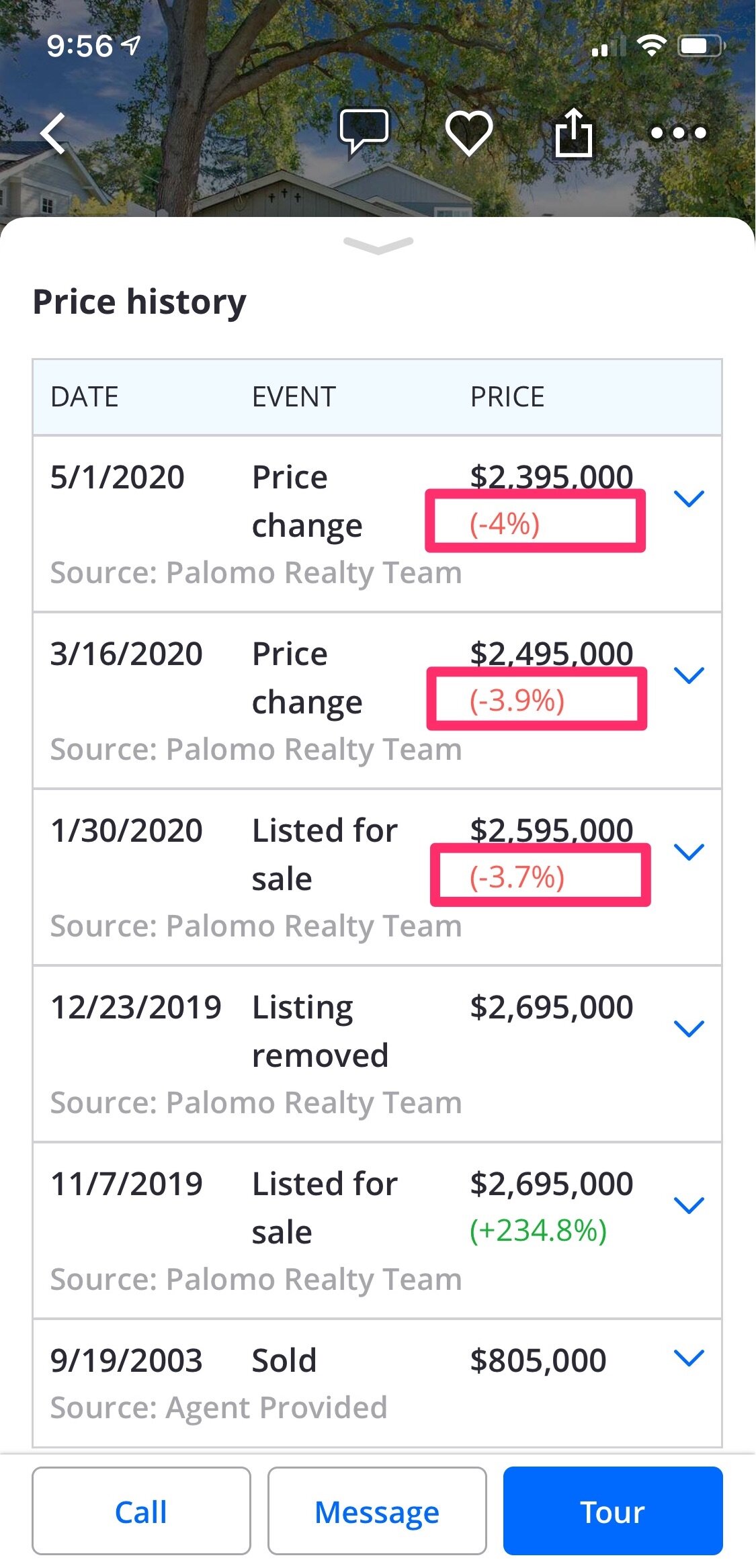
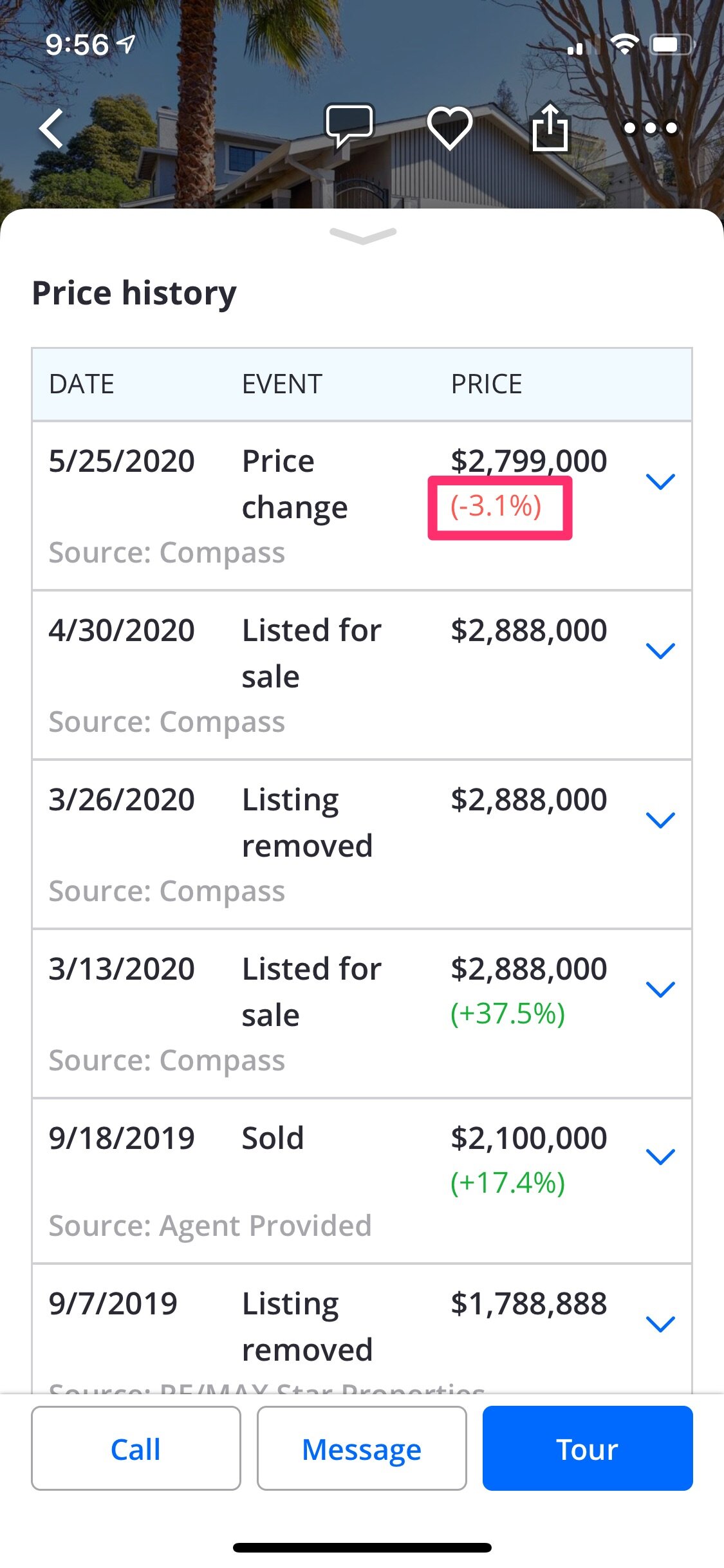
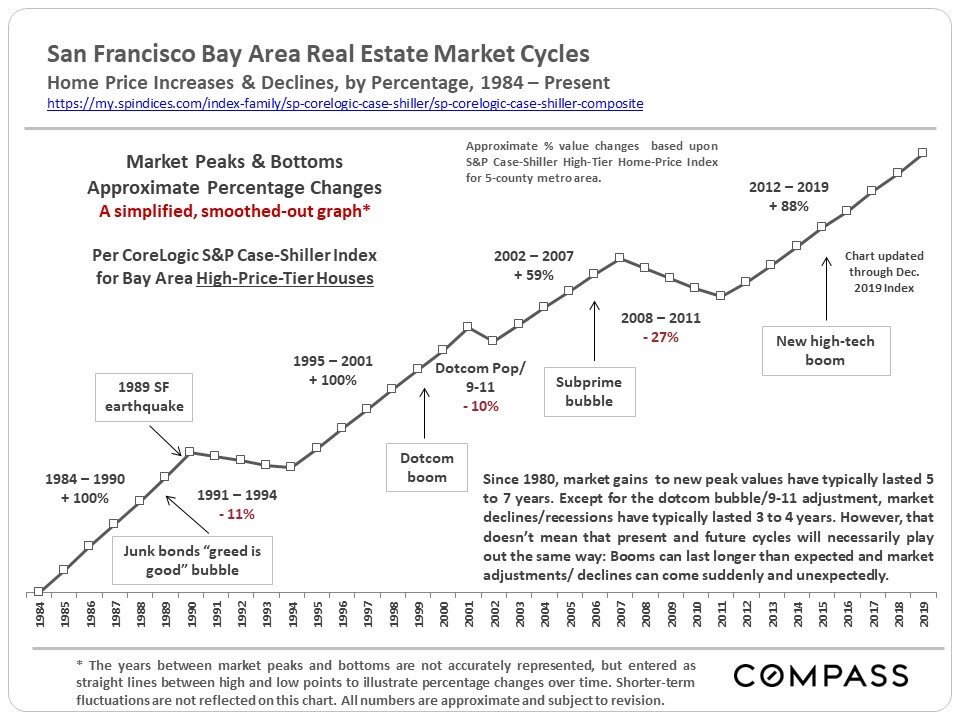
Recent surge in home values. Austin real estate has appreciated by more than 55% in the last 2 years [source]. The market is probably overpriced [source, source], but while the market is softening a bit, home prices are still up 28% just from last year [source, source, source]. When we purchased our home in April this year, we had to pay 30% over asking and waive financial contingencies. And we felt lucky: the same day we made our offer, a home nearby on a smaller lot sold for 55% over asking in an all-cash purchase before the first open house occurred. Even if a price correction does occur, it would have to be enormous to erase all of the recent price increases.
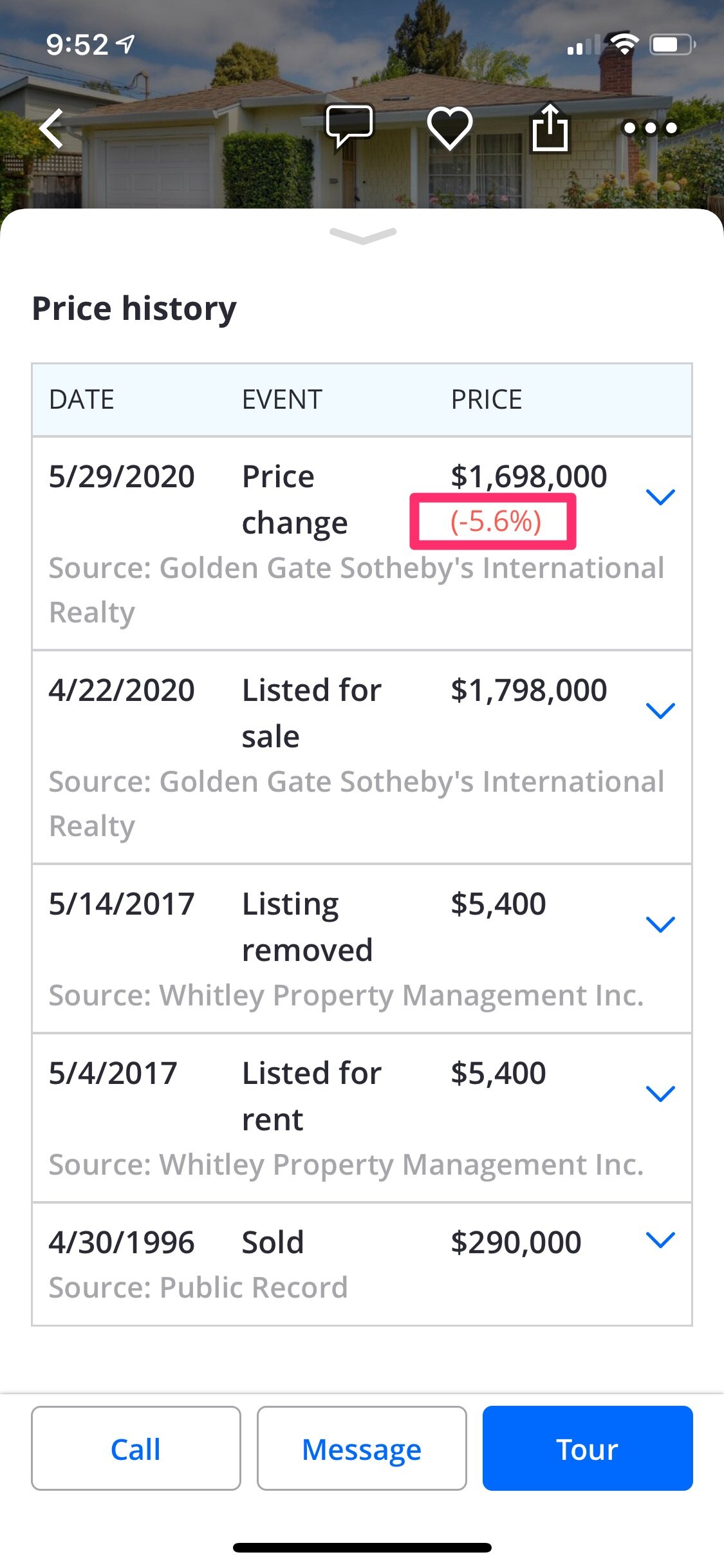
Texas homes are physically larger. The last place we were renting in the Bay was a 1,500 sqft 3 bedroom, 2 bathroom home. If Zillow is to be trusted, it is currently worth $2.5M. We paid $1M for our 2,300 sqft 3 bedroom, 2 bathroom home in north Austin. The two homes are not directly comparable for a bunch of reasons, but if you ignore all the details, we still paid ~$430/sq ft compared to $1,666/sq ft in the Bay. Our Austin home is 3.9x cheaper per square foot, but it’s only 60% cheaper in absolute terms. Why is that? It’s 800 square feet larger. Most homes built in Texas are newer and larger.
Property taxes. If we had purchased a home in San Carlos, the yearly property taxes would have amounted to around 1.1%. In Austin, it’s 2%. So our tax bill for our new home will actually be about 80% of what the tax bill is for the home we were renting in San Carlos. Homes in Travis county are much more expensive to hold onto.
Property upkeep. This is a bit of an obvious one, but when you’re crammed into your tiny home in Millbrae, it’s tempting to go Zillow gazing at Texas mcmansions, but maintaining a mcmansion is costly. We are in the phase of life where we try to hire out property maintenance because we just have so much else to do. Here in Austin, it costs $100/mo for lawn care, $250/mo for pool care, and $500/mo for bi-weekly house cleaning, and $2-300/mo for electric (AC) for 6-8 months out of the year. We keep our thermostat pretty high (72 degrees), we have a small pool, and our lawn is pretty big. It’s more expensive to maintain a larger house.
Austin is still a lot cheaper than the Bay Area, but that’s not saying much. Living in the NYC metro is 30% cheaper than SF [source]. If you want truly affordable housing in America today, you have to look at relatively undesirable metros and rural parts of the country. You can still find nice 4 bedroom homes in my rural Ohio town for less than $200k. Now that’s what I would call affordable.
Californication
When we were living in California, we were frequently frustrated by labor shortages, absurdly burdensome bureaucracies, crumbling infrastructure, and terrible traffic. The situation in Austin isn’t a ton better:
Hard to find affordable help. In the Bay, we paid our house cleaner and nanny $35/hr and felt really lucky to be working with both of them. We are currently renovating the home we bought here. To do it, we interviewed 12 contractors. Only 3 were taking new work -- our six-figure job was too small. Of those, 1 flaked out and didn’t give us an estimate at all. The company we went with told us that even ignoring elevated material costs due to Covid supply chain issues, shortages in experienced labor would extend the project and jack up the price substantially.
Absurd bureaucracies. If you’ve ever tried to refute a Clipper charge, refill a Fastpass card, or prepare the documents to rent a property, you know how bureaucratic and difficult it can be to live in the Bay Area. Here in Austin, we filed our building permits with the City of Austin 2 months ago and still haven’t heard back. The permit to build our new pool took 2 months and then got rejected because the surveyor mis-measured the location of a tree. We re-submitted that permit and it hasn’t come back yet. If that wasn’t bad enough, our neighborhood HOA is a required signatory on all our permits and has their own review and approval process.
Crumbling infrastructure. We used to joke that driving on 101 was an obstacle course video game because of all the potholes and were looking forward to at least driving on level road surfaces in Texas. But all of the roads in our neighborhood and the main artery to the highway have been under construction since we moved and are still a work in progress. Currently, we are driving on gravel roads. We haven’t received any notice about when the work will be complete and what it entails.
Terrible traffic. Very few US cities can compete with the Bay Area for traffic. It used to regularly take me 45 minutes to drive 6 miles on 101 to get home in the evening. While Austin traffic is better in relative terms, it’s still pretty congested. Getting into downtown from north Austin without traffic takes about 20 minutes. During rush hour, it can be closer to an hour.
In many ways, Austin feels more like California than I had expected. From the red tape and restrictive zoning to the interminable road projects, Californians shouldn’t worry too much about missing home if you move here.
The Weather
For my family, the weather is actually a plus, but I realize that for most people, really hot summers aren’t desirable. This last summer was pretty cool by Texas standards, but the high temps were still ~100° for a solid 6 weeks in August. It can be absolutely brutal to be out during the day for months at a time. And unlike coastal cities, it doesn’t cool down in the evenings. If it’s 100° during the day, it’s frequently 75-80° at night.
I realize this is the section for bad stuff, but I do want to point out why really hot days aren’t as bad as they sound. In the Bay, the best part of the day occurs between 11AM-4PM. That’s when it’s sunny, relatively warm, and typically cloudless. On a summer day on the peninsula, it can get into the 80s during the day, which is beautiful weather to eat outside or take a walk. But early in the morning and in the evenings -- the times when most people are outside getting to and from work or socializing with friends -- it stays quite chilly and is often windy. If you are in SF, those times of day are also foggy.
In Austin during the hot part of the year, the best times of day are the early mornings and late evenings. So if you work a normal 9-5, I still think Austin weather is preferable. You can exercise at a nice 68° degrees in the morning, come home and sit outside while eating dinner, and then have a cold beverage on the porch at 9PM all while wearing shorts.
I get it, I get it, nobody shares this preference, so I’ll move on.
The Ugly
State Politics
When people ask what I think of living in Texas, I often like to be a bit sarcastic and insist I didn’t move to Texas, I moved to the people’s republic of Austin. But of course, Austin is in Texas, and the Texas state government does lots of stuff that I disagree with.
To take a very concrete example, my wife and I are pregnant with our third child right now. Texas’ recent abortion ban is fairly troubling for us. We are both over the age of 35 and so the risk of genetic disorders and general problems with labor and child development are very real. Luckily, we haven’t had to face any of those challenges, but it was something we had to discuss.
At the state level, it can be frustrating to be a left-leaning centrist in Texas. We are somewhat inured to this, however. We’ve lived in Ohio, Florida, North Carolina, and California and only California did stuff that didn’t make us cringe on a regular basis.
Climate Change
The US is going to get hotter in the next 50 years. And Texas is already really hot. After you exceed a wet bulb temperature (a combination of air temperature and humidity) of 95 degrees, the human body is no longer able to cool itself. [source] Depending on the humidity, this could be an air temperature anywhere between 103-111 degrees fahrenheit. In the summers here, the average high temperatures are in the high 90s [source]. So for 3 months out of the year, unseasonably hot days could pose a threat to our health if for some reason the AC is not working.
While climate change maps haven’t really settled on what will happen to the state’s water supply, it seems likely that increasing drought and water scarcity will also be a problem for Austin residents in the coming decades.
Compared to California, however, I think there are fewer climate and environmental risks. California has been suffering increasingly long and deep droughts for the last 30 years [source], a major earthquake is likely to occur along either the San Andreas or Hayward faults in the next 30 years [source], sea level rise could inundate low-lying areas of the Bay in the next 30 years [source], increasingly severe storms are likely to increase the risk of flooding [source], and wildfire season is expected to become more severe [source].
I’ll take the heat and water risks in Texas over the climate pressures in California, but Texas will definitely be uncomfortably hot around mid-century.
Summary
I left out some of the really great stuff that is specific to my family because, well, you aren’t us. We are living a 10 minute walk to my in-laws’ house. We get along with them really well and they are helping us with childcare on a regular basis. Our extended family is only a 90 minute drive away so the kids can see their cousins more frequently and we get to socialize with my wife’s cousins who are all awesome humans. My parents are planning to move down here in a couple years and might actually be able to purchase a home.
Our living space is physically much nicer. Apart from just being newer and better constructed, we can afford to have separate bedrooms for each of the kids (a life saver for sleep quality), there’s more yard to play in, the kids love the pool, my wife loves having a nice big kitchen, and I love having a dedicated office.
On the lifestyle front, we can afford to have my wife out of the workforce to focus on the kids. This has in turn enabled me to specialize a bit more on my work, which is enjoyable for me. The lower cost of living has also made it possible for me to at least consider taking less lucrative roles in the next couple of years, whereas it was previously not an option.
So for us, it’s been an overwhelmingly positive change. It’s telling that when we discuss the things that we miss the most about our time living in California, we wax poetic about some of the awesome friends that we miss and the one sushi place in downtown San Carlos, but then we fall quiet as we struggle to find anything else that we really miss on a daily basis.
#Thanks to Nick, Ben, Becca, and Sherri for reading over drafts of this post and helping me improve it!